The Importance of Dietary Variety for Micronutrient Intake

Different foods contain different combinations of micronutrients. This article explains why dietary variety is foundational for comprehensive micronutrient intake.

Understanding Micronutrient Distribution

Micronutrients—vitamins and minerals—are distributed unevenly across the food supply. No single food provides optimal quantities of all micronutrients. Leafy greens offer substantial iron and folate but minimal vitamin D. Fish provides vitamin D and selenium but lacks significant quantities of vitamin C.

This distribution is a natural consequence of plant and animal physiology. Different organisms accumulate different minerals based on their growing environments and metabolic needs. Recognizing this guides rational food selection.
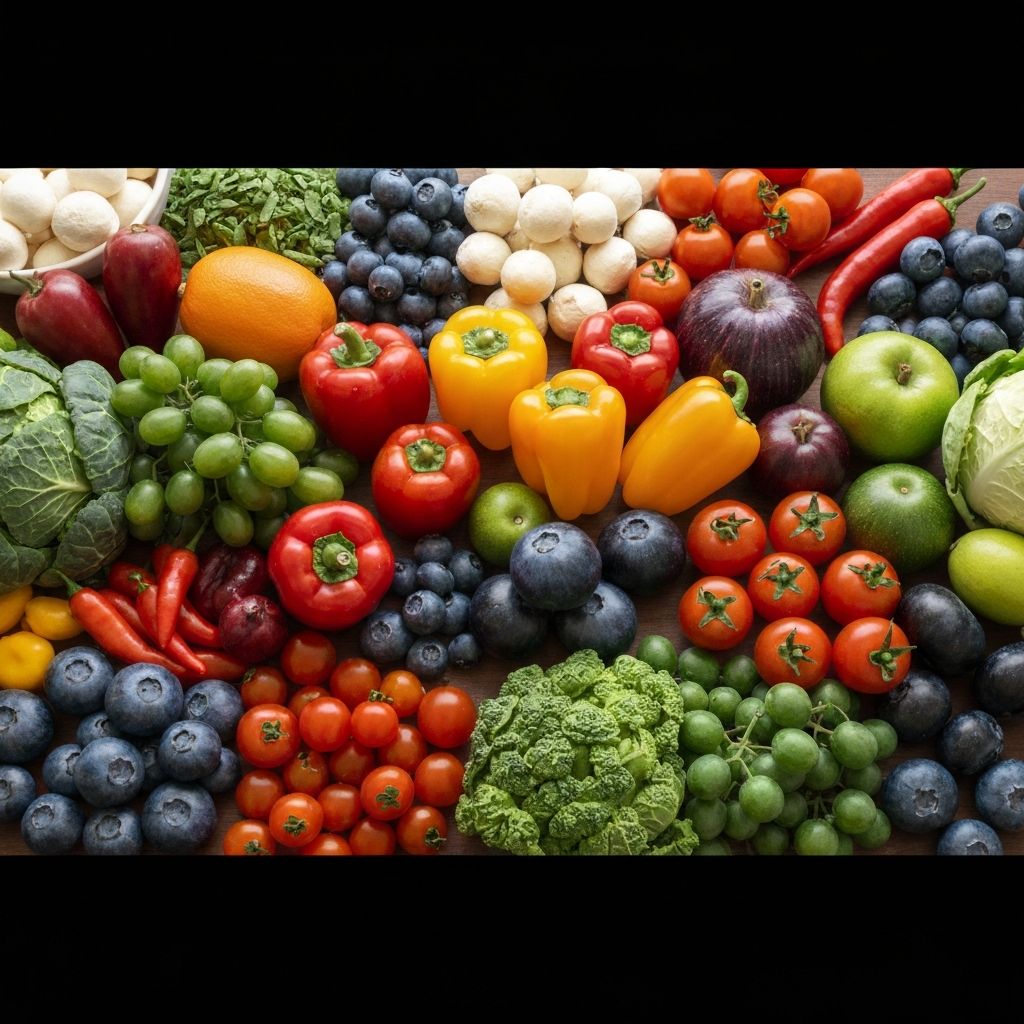
Diverse diet with variety of colorful foods

Color and Phytonutrient Diversity

Plant pigments responsible for food color—anthocyanins, carotenoids, flavonoids—represent distinct phytonutrient families. Different colored vegetables and fruits provide different phytonutrient profiles. Orange vegetables are rich in beta-carotene. Red tomatoes contain lycopene. Purple berries offer anthocyanins.

These compounds have antioxidant and anti-inflammatory properties documented in scientific literature. Consuming vegetables and fruits across the color spectrum provides broader phytonutrient exposure than selecting only preferred colors.

Seasonal Eating and Nutritional Variation

Seasonal foods naturally provide variety as seasons change. Spring brings leafy greens and asparagus. Summer provides berries and stone fruits. Autumn offers root vegetables and squash. Winter provides hardy greens and citrus fruits. This natural cycle supports nutritional variety throughout the year.

Foods peak in nutrient density when harvested at maturity in their natural season. Incorporating seasonal patterns encourages broader food selection than relying on limited year-round staples.

Micronutrient Synergies and Absorption

Micronutrients interact with each other and with other food components. Vitamin C enhances iron absorption from plant sources. Fat-soluble vitamins (A, D, E, K) require dietary fat for absorption. Consuming foods in varied combinations optimizes nutrient bioavailability.

Legume and Grain Complementarity

Legumes provide certain micronutrients that grains lack, and vice versa. Combining beans with rice or lentils with wheat creates complementary nutritional profiles. This principle, recognized across diverse culinary traditions, demonstrates how food pairing patterns evolved to support nutritional adequacy.

Practical Application of Variety Principles

Including different foods across meals and weeks supports micronutrient diversity without requiring detailed nutrient tracking. Rotating through seasonal vegetables, varying protein sources, incorporating different grains and legumes, and consuming diverse fruits naturally provides comprehensive micronutrient coverage.

Continue Exploring

Return to the blog to read more articles about nutrition science and food composition.

Back to Blog